Most people book an eye exam because they are having trouble reading small print, seeing road signs, or working comfortably on a computer. Checking your prescription is certainly an important part of the appointment, but a comprehensive eye exam can reveal much more than whether you need new glasses.
Your eyes contain tiny blood vessels, nerves, and delicate tissues that can reflect changes happening elsewhere in your body. By examining these structures, an optometrist may notice signs associated with diabetes, high blood pressure, glaucoma, macular degeneration, and other health concerns.
So, what can eye exams detect, and why should you book one when your vision seems perfectly fine? Let’s take a closer look.
An Eye Exam Is About More Than Reading an Eye Chart
Reading letters from an eye chart helps measure how clearly you can see at a distance. However, that is only one part of a comprehensive eye examination.
Depending on your age, symptoms, medical history, and individual risk factors, an optometrist may also assess:
- How well your eyes work together
- Your eye pressure
- Your peripheral or side vision
- The health of your optic nerve
- The retina at the back of your eye
- The blood vessels inside your eyes
- The macula, which supports detailed central vision
- The front surface and internal structures of each eye
These checks can uncover changes that may not yet be causing noticeable symptoms. Comprehensive eye exams can also reveal signs of systemic conditions, including diabetes and high blood pressure.
What Can Eye Exams Detect?
An eye exam cannot replace a physical examination, blood test, or diagnosis from your family doctor. However, an optometrist may spot warning signs that suggest you should speak with another healthcare provider or receive further testing.
Here are some of the most important conditions an eye health exam may help identify.
Early Signs of Diabetes
Diabetes can affect blood vessels throughout the body, including the small vessels that supply the retina. Over time, elevated blood sugar may weaken or damage these vessels, causing them to leak fluid or bleed.
This condition is known as diabetic retinopathy.
During an eye exam, an optometrist may notice retinal changes such as:
- Small areas of bleeding
- Swelling
- Fluid leakage
- Changes in retinal blood vessels
- Abnormal new blood vessel growth
Some people with diabetic retinopathy do not notice symptoms in the early stages. Vision may seem normal even while changes are developing at the back of the eye. That is why early detection is so important. Treatment is generally more effective when diabetic eye disease is identified before significant vision loss occurs.
Signs Associated With High Blood Pressure
High blood pressure is often called a quiet condition because people may have it without experiencing obvious symptoms. However, prolonged or severely elevated blood pressure can affect the small blood vessels inside the eyes.
An optometrist examining the retina may see:
- Narrowed blood vessels
- Changes in how the vessels cross one another
- Bleeding within the retina
- Fluid leakage
- Swelling involving the retina or optic nerve
Damage caused by high blood pressure is sometimes referred to as hypertensive retinopathy. High blood pressure can also contribute to fluid buildup beneath the retina or reduced blood flow to the optic nerve.
Age-Related Macular Degeneration
Age-related macular degeneration, commonly called AMD, affects the macula. This small area at the centre of the retina allows you to see fine details needed for activities such as reading, recognizing faces, and driving.
Early AMD may not cause noticeable symptoms. As it progresses, a person may experience:
- Blurred central vision
- Straight lines appearing wavy
- A dim or blank area in the centre of vision
- Difficulty recognizing faces
- Needing brighter lighting to read
- Colours appearing less vivid
During an eye exam, an optometrist can examine the macula for deposits called drusen, pigment changes, bleeding, fluid, or other signs of deterioration. Additional retinal imaging or optical coherence tomography may be recommended when a closer look is needed.
Other Eye Conditions an Exam May Find
A comprehensive eye exam may also detect signs of other conditions, including:
Cataracts
Cataracts develop when the natural lens inside the eye becomes cloudy. Early changes may cause glare, faded colours, or difficulty driving at night before vision becomes noticeably blurry.
Retinal Tears or Detachment
Changes in the retina may sometimes be discovered before they cause major vision loss. Sudden flashes, a rapid increase in floaters, or a shadow across your vision require urgent assessment.
Dry Eye Disease
Dry eye is not always caused by simply “not making enough tears.” An exam can help evaluate tear quality, eyelid function, inflammation, and the glands that help prevent tears from evaporating too quickly.
Corneal Conditions
The cornea is the clear front surface of the eye. Changes in its shape, clarity, or thickness can affect both vision and overall eye health.
Optic Nerve Problems
The appearance of the optic nerve may provide clues about glaucoma, inflammation, reduced blood flow, or other neurological concerns that require further investigation.
Finding an unusual sign does not automatically mean that you have a serious medical condition. It means your optometrist can explain what they see and, when appropriate, recommend monitoring, additional testing, or a referral.
Why Early Detection Matters
Many eye diseases develop gradually. You may not notice a problem because one eye compensates for the other, or because the brain adapts to slow changes over time.
Unfortunately, vision already lost to conditions such as glaucoma may not be recoverable. Diabetic retinopathy and macular degeneration can also become more difficult to manage once substantial damage has occurred.
Early detection may allow your healthcare team to:
- Monitor small changes over time
- Begin treatment sooner
- Address related health concerns
- Reduce the risk of further damage
- Help preserve useful vision and independence
In other words, waiting until something feels wrong is not always the best strategy. Your eyes are very good at keeping secrets, but an eye exam gives your optometrist a chance to investigate.
Do You Still Need an Exam When Your Vision Seems Fine?
Yes. Clear vision does not always mean that your eyes are healthy.
Glaucoma, diabetic retinopathy, and early macular degeneration may develop without immediately changing how clearly you see. Someone may still read the smallest line on the eye chart while changes are occurring in the retina or optic nerve.
How often you should have an eye exam depends on factors such as your age, family history, medications, health conditions, previous findings, and symptoms. Your optometrist can recommend an appropriate schedule based on your individual risk rather than using the same timeline for everyone.
Who May Need More Frequent Eye Health Checks?
Your optometrist may recommend closer monitoring when you:
- Have diabetes or high blood pressure
- Have a family history of glaucoma or macular degeneration
- Take medication that can affect the eyes
- Have previously had an eye injury or surgery
- Wear contact lenses
- Have a strong prescription
- Notice new or changing visual symptoms
- Have already been diagnosed with an eye condition
People with no known risk factors still benefit from routine examinations because health and vision can change between appointments.
What Happens During an Eye Health Exam?
Your appointment may begin with questions about your vision, general health, medications, family history, work, and daily activities. Be open about any changes you have noticed, even when they seem minor or unrelated.
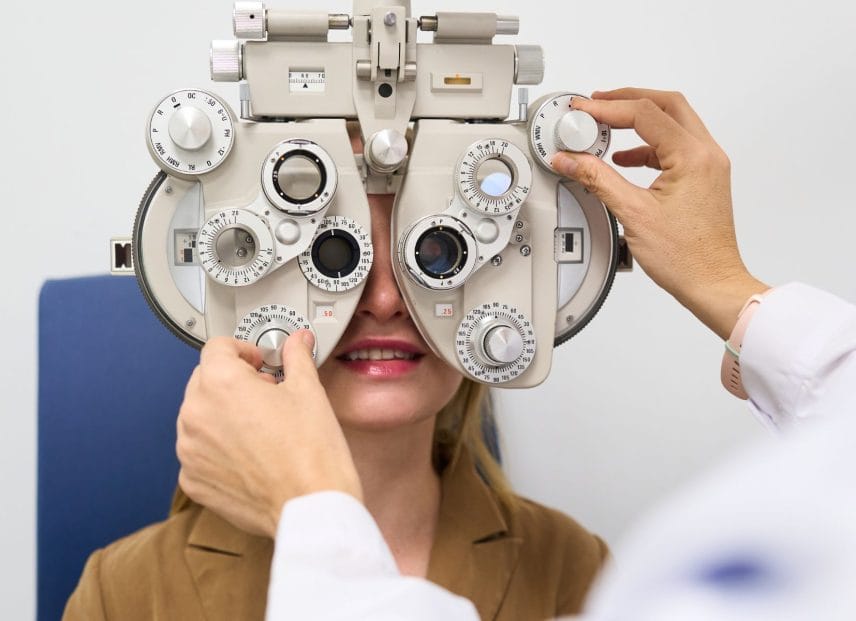
The optometrist may then check your prescription and assess how your eyes focus and work together. Eye pressure, peripheral vision, pupil responses, and the health of the eye’s internal and external structures may also be evaluated.
In some cases, dilating drops are used to widen the pupils and provide a clearer view of the retina and optic nerve. Retinal photographs or other imaging may also be recommended to document what the eyes look like and make future comparisons easier.
The exact tests used will depend on your needs and the services available at the clinic.
When Should You Book an Eye Exam?
Routine exams are important, but certain changes should be assessed sooner. Arrange an appointment when you notice:
- Persistent blurry vision
- Frequent headaches or eye strain
- Increasing difficulty seeing at night
- Changes in colour or contrast
- New distortion in your central vision
- Unexplained blind spots
- A noticeable change in one eye
- Ongoing eye discomfort or redness
Sudden vision loss, severe eye pain, a curtain-like shadow, or a sudden burst of flashes and floaters may indicate an urgent problem. Seek prompt medical or emergency eye care rather than waiting for a routine appointment.
Book an Eye Health Exam in Courtenay
Living in the Comox Valley means enjoying everything from computer-based work and daily driving to bright days on the water and time outdoors. Whatever your routine looks like, healthy eyes play a major role in how comfortably and confidently you move through it.
Booking an eye health exam in Courtenay is not only about updating your glasses. It is an opportunity to examine the health of your retina, optic nerve, blood vessels, and other important eye structures.
At Smart Eyes, our Courtenay team can assess your vision, discuss your personal risk factors, and explain any findings in clear, understandable language. When additional medical care is needed, your optometrist can recommend the appropriate next step.
Your Eyes Can Reveal More Than You Think
So, what can eye exams detect? In addition to prescription changes, they may identify early signs of diabetic eye disease, damage associated with high blood pressure, glaucoma, macular degeneration, and several other eye health concerns.
You do not need to wait until your vision becomes blurry to pay attention to your eyes. Regular examinations help establish a record of your eye health, making it easier to notice small changes and respond before they become larger problems.
Book your next eye exam at Smart Eyes in Courtenay and give your eyes the complete checkup they deserve.
Frequently Asked Questions
Find your answer here, Anything about Eye exams.
An optometrist may see retinal changes associated with diabetes, sometimes before a person notices vision symptoms. However, diabetes must be diagnosed through appropriate medical assessment and blood testing. Your optometrist may recommend following up with your family doctor.
An optometrist may observe blood vessel changes that can be associated with high blood pressure. An eye examination cannot replace a proper blood pressure measurement or diagnosis from a medical provider.
Yes. Some common forms of glaucoma can develop without noticeable early symptoms. Eye pressure testing, optic nerve evaluation, peripheral vision testing, and other assessments can help detect suspicious changes.
Not in its earliest stages. Some people have retinal changes before noticing a clear difference in their central vision. This is one reason routine examinations become especially important as we age.
No. A screening usually checks selected aspects of vision and helps identify people who may need further assessment. A comprehensive exam includes a more detailed evaluation of vision and eye health.
Yes. Several eye diseases can begin without noticeably affecting visual clarity. Your optometrist can recommend an examination schedule based on your age, medical history, family history, and risk factors.