Contact lenses are now a popular choice for people who want clear vision without glasses. But they’ve come a long way since the early days. Here’s a short look at how contact lenses were first imagined, how they’ve changed over time, and why they work so well today.
Where It All Began
The idea of contact lenses goes all the way back to Leonardo da Vinci in the 1500s. He sketched ideas for changing how the eye sees using water and lenses, but it wasn’t until the late 1800s that real lenses were made.
- 1880s: The first lenses were made from glass and covered the whole eye. They were uncomfortable and couldn’t be worn for long.
- 1930s–40s: Scientists began making lenses from plastic. These were lighter and a bit more wearable.
- 1970s: Soft contact lenses were introduced. These became popular quickly because they were more comfortable.
- Today: Most lenses are made from soft silicone hydrogel, which lets more oxygen reach your eye.
What Modern Contact Lenses Are Made Of
Today’s contact lenses are soft, flexible, and breathable. The most common materials include:
- Hydrogel: Holds water and feels soft on the eye
- Silicone hydrogel: Allows more oxygen to pass through, which helps keep eyes healthy
- Rigid gas permeable (RGP): Still used for certain vision needs, like high prescriptions or keratoconus
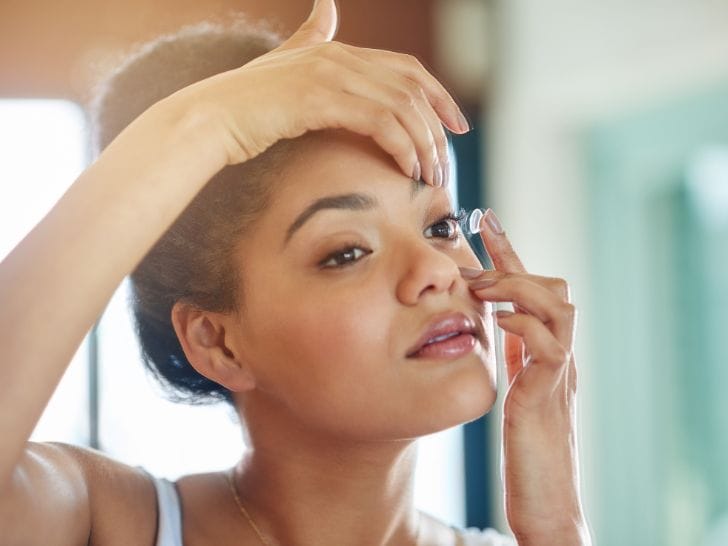
Not sure which is right for you? A proper contact lens fitting in Courtenay will make sure you get lenses that are safe, comfortable, and matched to your lifestyle.
How Contact Lenses Work
Contact lenses work the same way as glasses—they bend light so it focuses properly on your retina. But because they sit directly on your eye, they move with it and give a wider field of vision.
Depending on your needs, you can get lenses that correct:
- Nearsightedness (myopia)
- Farsightedness (hyperopia)
- Astigmatism
- Presbyopia (age-related near vision)
Some lenses are even designed for myopia control, which can slow down how fast nearsightedness gets worse in kids and teens.
The Importance of a Proper Fit
Everyone’s eyes are different. A contact lens that works for one person might not work for another. That’s why an eye doctor will:
- Measure your eye shape
- Check how your eyes respond to lenses
- Make sure your lenses fit comfortably and don’t cause dryness or irritation
If you’re in the Comox Valley, our optometrists provide safe, detailed contact lens fittings in Courtenay and can help you find the best for your eyes.
Book a Contact Lens Fitting in Courtenay
Whether you’re new to contacts or just need a new prescription, SmartEyes makes it easy. Our local team offers expert care, clear advice, and plenty of lens options to choose from. We also help with follow-up care and tips to keep your lenses clean and your eyes healthy.
Need contact lenses in Courtenay or an optometrist in the Comox Valley? Come see us today!